

Drinking Water in the Mountains: when is water purification necessary?
How NOT to get sick when drinking water from natural sources in the Scottish Highlands
The Big Picture
In general in Scotland we are lucky that a lot of the time in a mountain context it is perfectly safe to drink water straight from natural sources. .
The main sources of harmful contamination come from humans, animals and agriculture. In the Scottish Highlands there is a a lot of land, a lot of water and generally a low density of humans and animals. We are also blessed with lots of bogs! which although annoying to walk over are excellent filtration systems and help to keep water clean.
In a remote setting, where few people and animals go and there is a good flow rate through the water course you are very unlikely to get sick from drinking straight from it. Especially if you minimise the risk further by making sure you are up stream of any potential contamination risks e.g. where people cross the river and always fill bottles from areas where the water is moving quickly and it is well aerated.
There are of course exceptions to the above and knowing when to be wary and the factors to consider in your approach to drinking water are important for keeping you healthy.
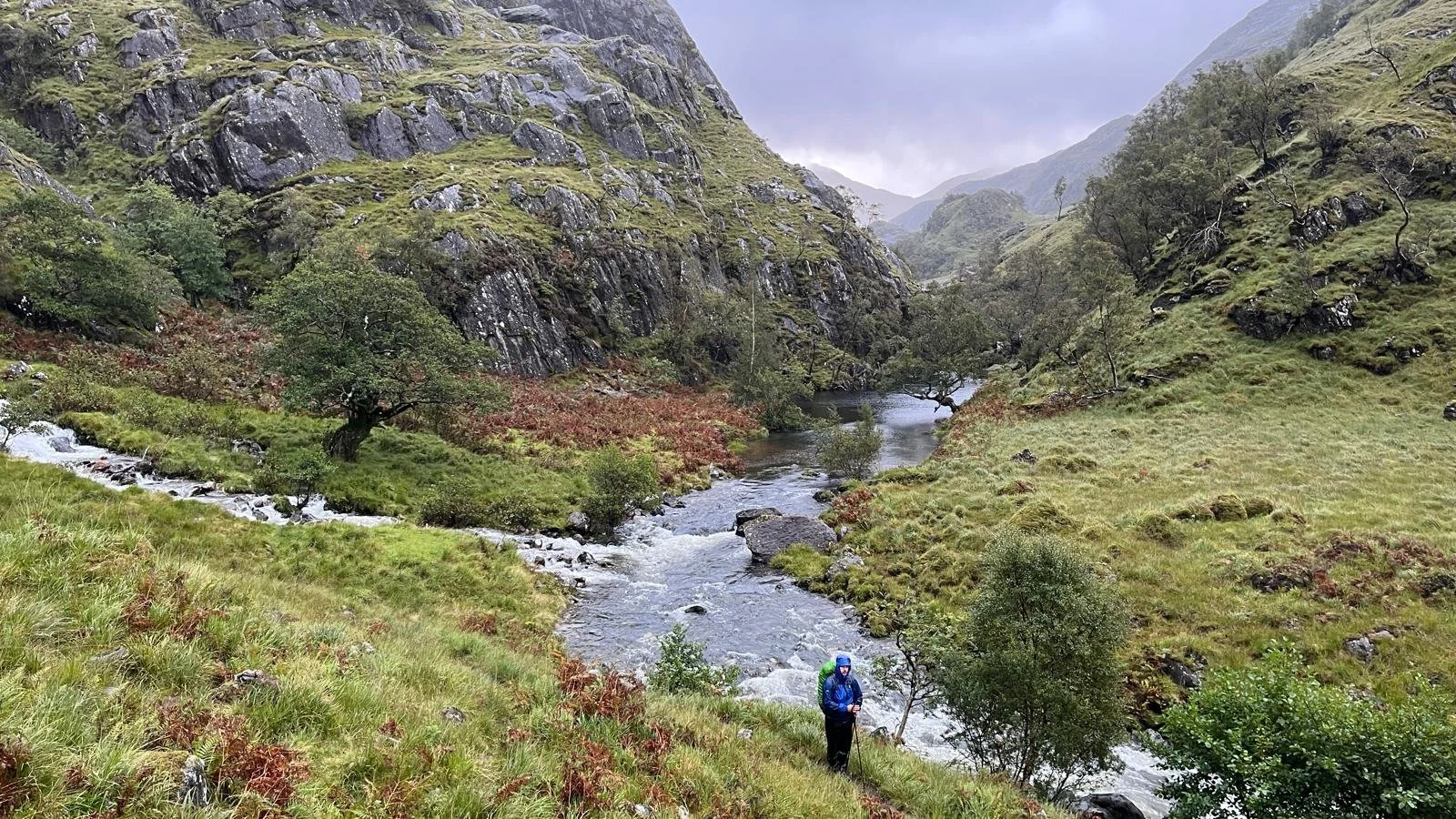
High water levels in a remote location are often a reasonable safe option to drink straight from the source
The Risks
There are four categories of contaminants that pose a risk to us and can cause disease if ingested. Symptoms of becoming ill with many of these include vomiting and diarrhea which is especially dangerous in a remote setting where you are not able to keep yourself hydrated and get the help you need.
Bacteria
These are single celled organisms that can reproduce in water and are transferred through contacts and ingestion. The most common causes of ‘food’ poisoning are from bacteria including E.Coli and Salmonella.
Protozoa
These are single celled organisms that are passed into water via human and animal faeces. Particularly of risk to humans are Giardia and Cryptosporidium, although rates are lower in the UK than other parts of the world they are on the increase.
Multi-cellular Parasites
In other parts of the world these post a big risk and are associated with serious disease. In the UK the main risks are from Hook Worm and Round Worm which although unpleasant are not deadly.
Viruses
Tiny particles that infect their hosts and cause disease. They can be spread through water but can only reproduce inside a host, they are uncommon in a remote mountain context. Common viruses include Norovirus and Rotavirus.
When To Use A Water Filtration Device
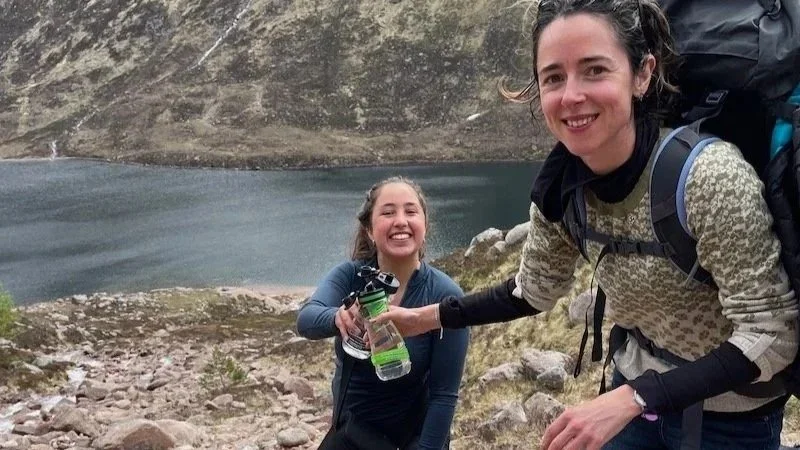
Using a filter bottle can be a great ‘on the go’ solution for filtering water.
All 4 of the contaminants are associated with run off from human and animal faeces so a very obvious risk factor is the density of these found in an area. Whenever you are taking water from a mountain setting consider the following:
Is this a place where alot of people go? E.G. popular hikes, wild camp spots and bothies. The more people in a place the more chance of contamination of water sources.
Is there a lot of agriculture around? Have i seen lots of animals or passed farms nearby?
Has it been dry recently? Less water means a potentially higher concentration of contaminants.
Are water levels in the steams and rivers low? Low flow rates mean less chance for contaminants to be washed away.
Am I taking water from a standing source? E.g. a Loch where contaminants may have built up and not been washed out.
If the answer is YES to any of the above then you should consider using a filtration or purification device/method to keep yourself safe when drinking water.
Options For Purifying Water In A Mountain Setting
There are a wide variety of devices and options available for purifying drinking water all of which have different pros and cons. The ones best suited to wild camping and hiking are as follows:
Gravity / Bottle filtration devices
These are filters where the water is passed through under the influence of gravity or by squeezing or sucking through a bottle. They are light, simple and quick to use. Models vary but they are largely effective at removing bacteria, protozoa and parasites. Most do not remove viruses as they are so small and can slip through the filter.
Water To Go are one of the few bottle filtration devices that also remove viruses. The downside is that they don’t work under gravity and can be a little hard to drink out of.
Chemical Treatment
This is through tables or liquid added to your water. It is a compact and light method which will kill most bacteria, parasites, protozoa and viruses. Depending on the treatment it can take between 30 minutes to several hours to work and can leave an unpleasant taste in the water.
UV Treatment
These are a simple, light and compact option that work against most contaminants. Downsides are they are expensive and usually need battery power to work. They are also only effective in clear water so sometimes filtration is neccessary first.
Boiling
Perhaps the simplest and most effective system for purifying water is boiling. A one minute rolling boil will kill any contaminants in the water. The only cons with this system are that it uses fuel and takes time, especially waiting for water to cool.
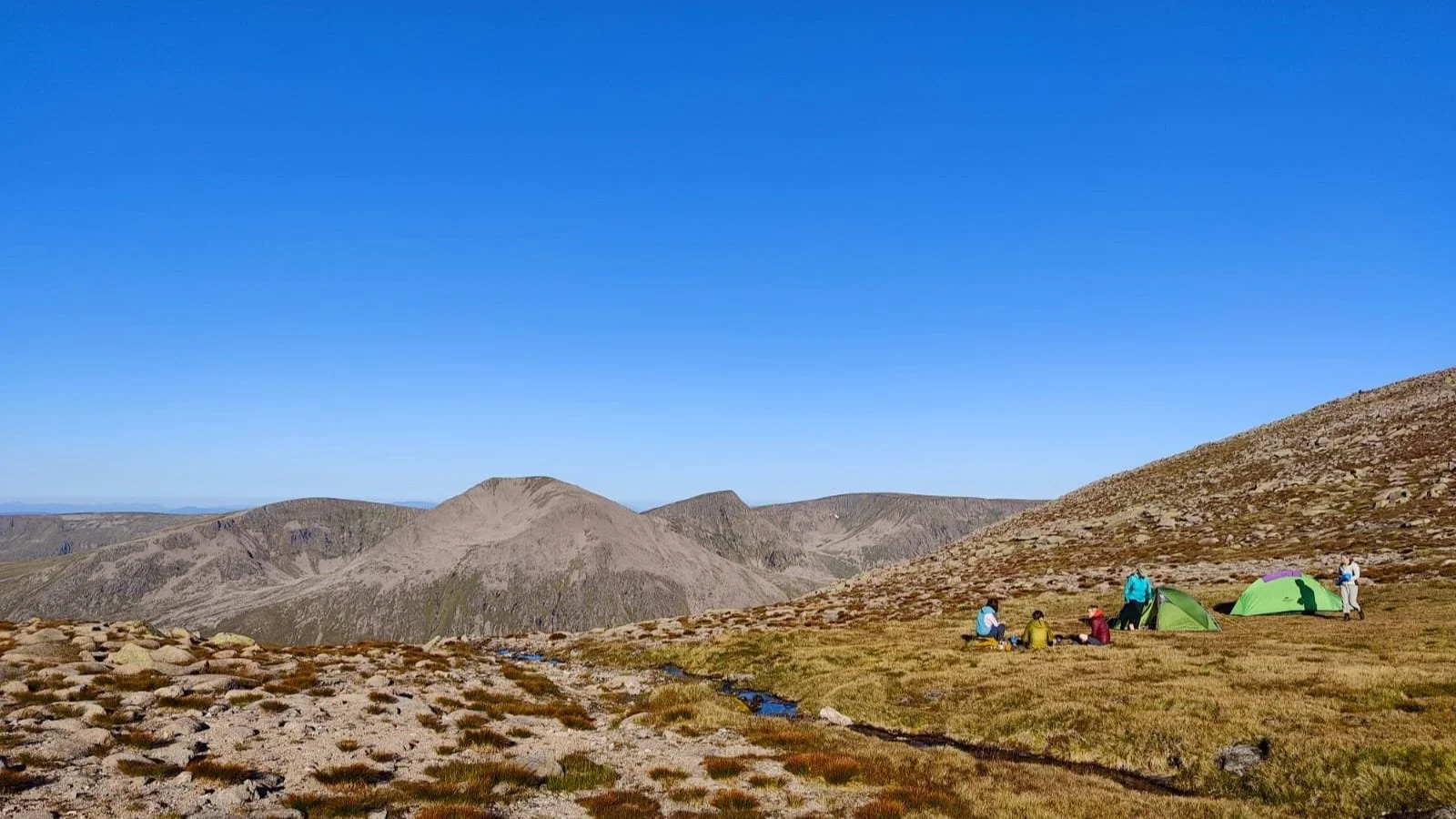
Water sources are an important consideration when choosing where to wild camp
Other Thing To Consider
It is important to remember that like any device filters are not infallible and they will only be effective if they are properly cleaned, maintained and stored. They also have a limited shelf life and are usually only good for a certain volume of water or time period. Make sure you read and adhere to manufacturers specifications regarding this to ensure safety.
Drinking water is only one method of transfer of contaminants especially bacteria. Infection can also occur via contact with surfaces or other people so it is always important to maintain as high standard of personal hygiene as possible. Especially in places like bothies when a lot of people pass through.
Common sense will go along way to keeping you safe. Listen to your instincts and if you have any suspicions about the cleanliness of the water then use a purification device. Being dehydrated because you are worried to drink water also has major health implications so if in doubt use a filter and drink well.